The challenge
A research team at the University of Illinois Chicago was testing an intervention that helps LGBTQ+ young people build healthy friendships and relationships. Skills like setting a boundary or answering a pushy message are easiest to learn by doing. Trying them for the first time in real life feels risky, though, and that keeps many young people from trying at all.
The team needed a place to practice that felt familiar and true to life, so participants would take the practice seriously.
What we built
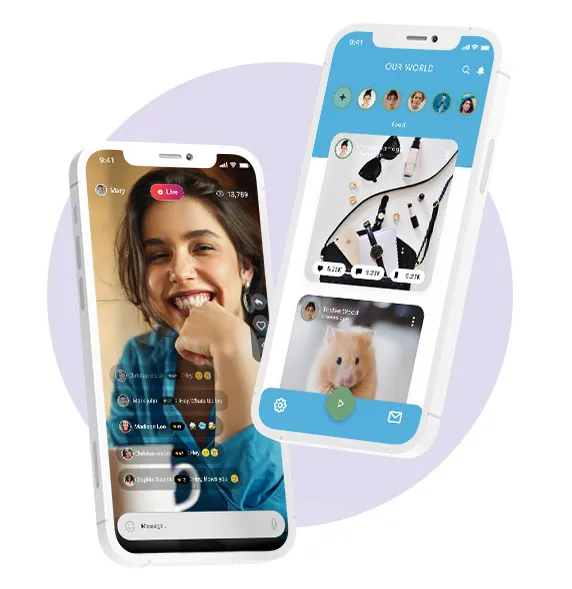
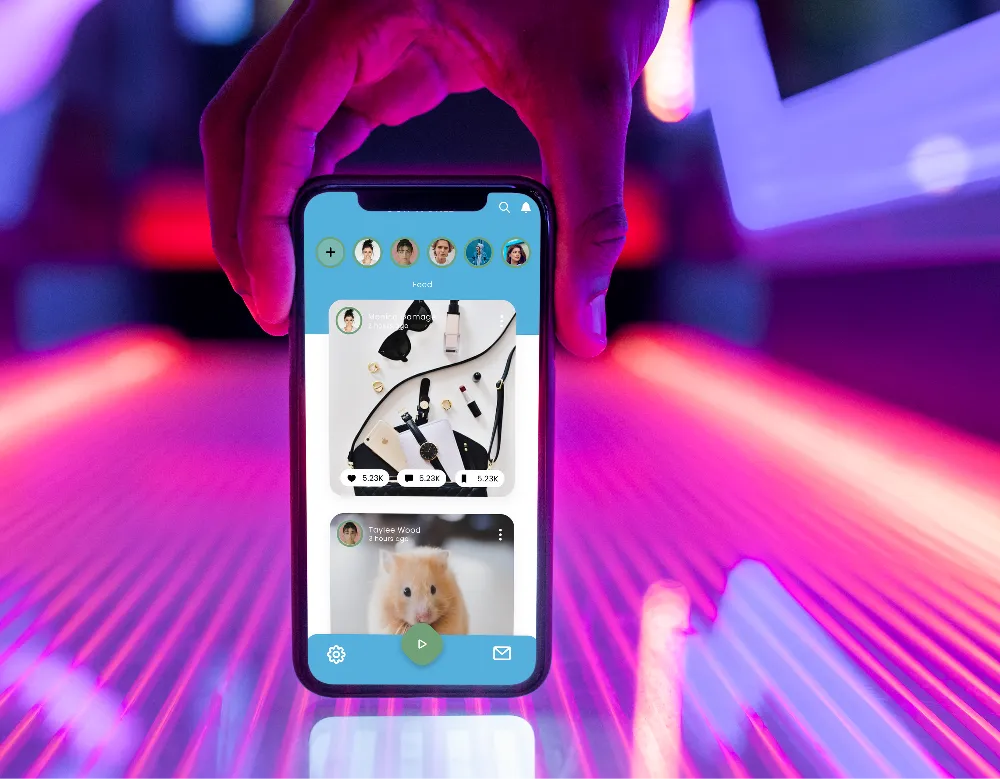
We built a digital health intervention platform that looks and works like the social media apps participants already use, with a feed, profiles and chat. Each scenario plays out as a conversation: the participant picks a reply, and the story moves on from that choice.
AI is what makes the practice feel real. Using OpenAI, the people in each scenario respond naturally, so a hard conversation on the platform feels close to one in real life, without the real-world risk.
How we worked
We tied every choice in a scenario to a skill the study teaches, so practice repeats in a planned way. A working prototype was ready in 6 weeks, and we have supported the study team for more than a year since.